

Do you frequently feel anxious, overwhelmed, physically tense, or unable to relax? Perhaps you experience digestive discomfort, disrupted sleep, persistent neck tension, or a general sense that something in your body feels “off.”
While these symptoms can have numerous underlying causes, one area of growing scientific interest is the relationship between the upper cervical spine, the vagus nerve, and the autonomic nervous system.
By downloading the Digital Patient Chart mobile app you can better control your patient portal.


The upper cervical spine protects important neurological structures, while the vagus nerve participates in regulating heart rate, digestion, stress responses, and communication between the brain and internal organs.
At Upper Cervical Health Care of Carson, Dr. Jerome Ri specializes in Blair Upper Cervical Chiropractic, focusing on the relationship between upper cervical spinal function and nervous system health.
What Is the Vagus Nerve and Why Is It Important?
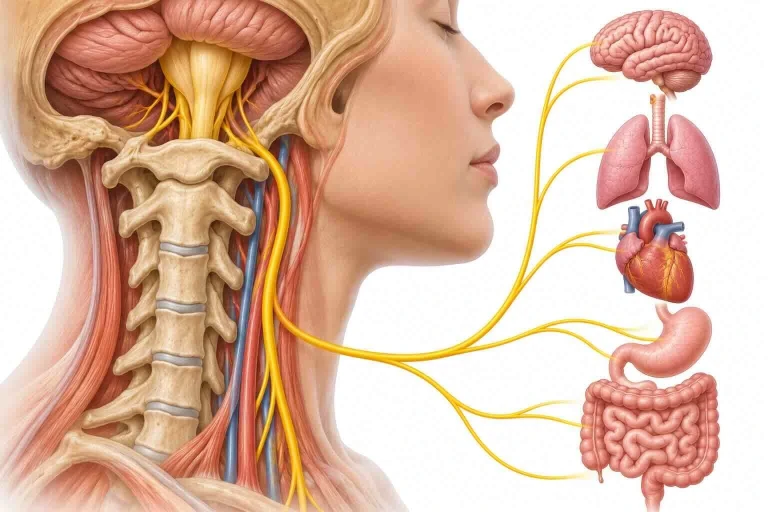
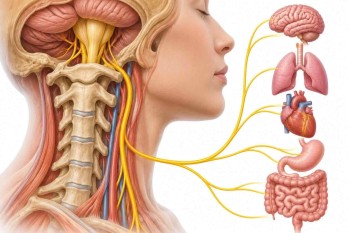
The vagus nerve, also known as the tenth cranial nerve (CN X), is a major communication pathway between the brain and internal organs.
Originating in the brainstem, the vagus nerve travels through the neck, chest, and abdomen, connecting the brain with structures such as the heart, lungs, stomach, and intestines.
It is a major component of the parasympathetic nervous system, commonly referred to as the body's “rest and digest” system.
The vagus nerve participates in regulating:
- Heart rate and cardiovascular function.
- Digestive activity and intestinal movement.
- Stress recovery and relaxation.
- Respiratory reflexes.
- Inflammatory and immune responses.
- Emotional processing and brain-body communication.
- Communication between the gut and brain.
Healthy autonomic regulation allows the body to respond appropriately to stress and return toward a resting state when the perceived threat has passed.
How Is the Upper Cervical Spine Connected to the Vagus Nerve?
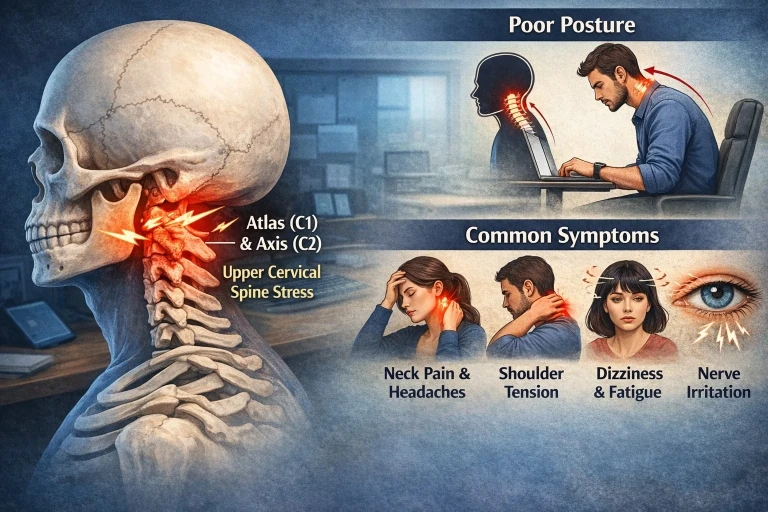
The upper cervical spine consists of the first two vertebrae, the atlas (C1) and axis (C2), located immediately beneath the skull.
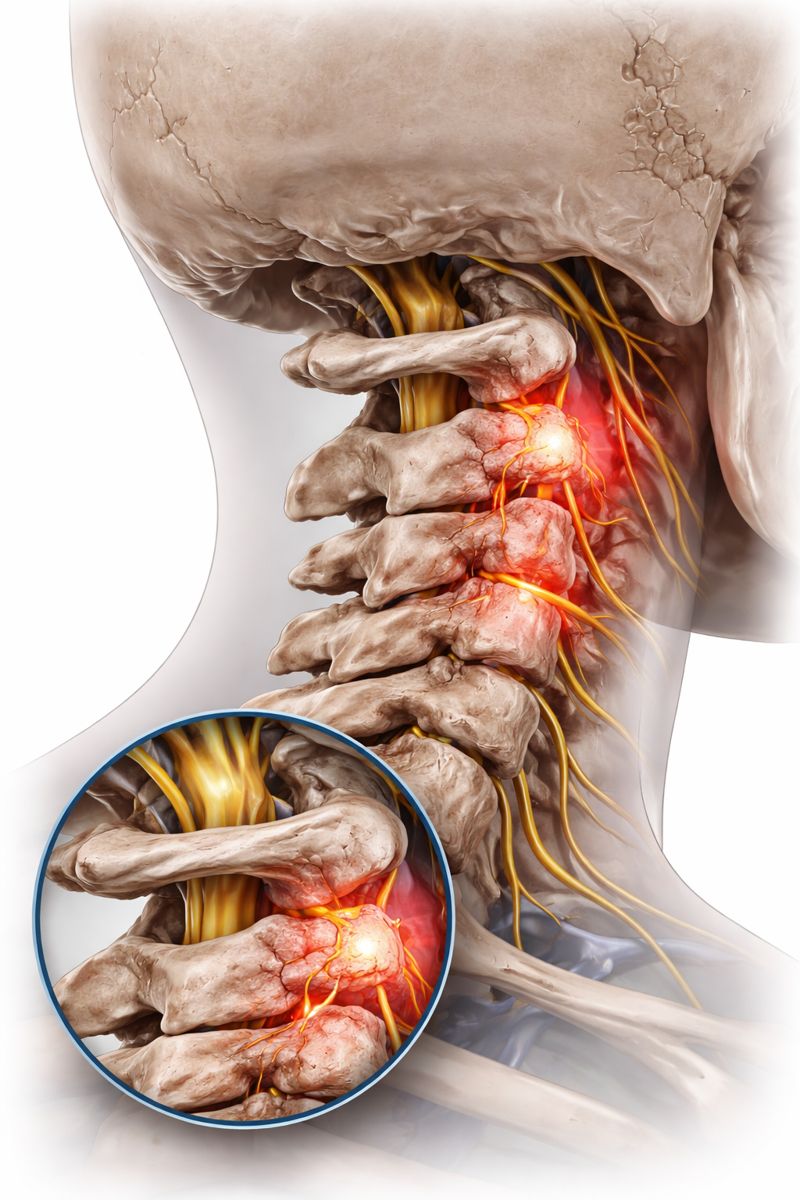
This region has a unique anatomical relationship with the brainstem, spinal cord, cranial nerves, and surrounding soft tissues.
The vagus nerve exits the skull through an opening called the jugular foramen before descending through the neck within the carotid sheath.
Although the vagus nerve does not pass through the atlas vertebra itself, its anatomical proximity to the upper cervical region raises questions about how cervical dysfunction might influence neurological regulation.
Upper cervical muscles and joints also contain sensory receptors that continuously communicate information about head position and movement to the central nervous system.
Altered cervical sensory input, persistent pain, and mechanical dysfunction may interact with neurological pathways involved in stress and autonomic regulation.
However, anatomical proximity alone does not establish that an atlas misalignment directly compresses the vagus nerve or causes vagal dysfunction.
What Is Vagal Tone?
Vagal tone refers to the functional influence of the vagus nerve, particularly its parasympathetic regulation of the heart.
Appropriate vagal activity helps the cardiovascular system adapt to changing physiological demands, including periods of activity, rest, and emotional stress.
Heart rate variability (HRV), which measures variations in time between consecutive heartbeats, is commonly used as an indirect indicator of cardiac autonomic regulation.
Certain HRV measurements can provide information about parasympathetic activity, although breathing, age, medication, physical fitness, and other factors also influence these measurements.
Reduced cardiac vagal activity has been associated in research with chronic stress and certain mental health conditions. However, HRV alone cannot diagnose vagus nerve dysfunction, anxiety, depression, or upper cervical misalignment.
Can Atlas Misalignment Affect Vagal Tone?
The potential relationship between atlas misalignment and vagal tone is an emerging area of investigation within musculoskeletal and neurological research.
Several proposed mechanisms may help explain why upper cervical dysfunction and autonomic symptoms sometimes coexist.
1. Altered Neurological Communication
The upper cervical region provides sensory information to brainstem and central nervous system networks. Changes in cervical movement or sensory input could theoretically influence pathways associated with autonomic regulation.
2. Persistent Pain and Stress Responses
Chronic neck pain may increase physiological stress, disrupt sleep, and contribute to emotional distress.
Persistent discomfort can make relaxation more difficult, potentially influencing the balance between sympathetic and parasympathetic activity.
3. Upper Cervical Instability and Surrounding Tissues
Researchers have proposed that significant cervical ligament instability or structural abnormalities could influence surrounding neurological and vascular tissues.
However, these mechanisms remain largely theoretical, and routine atlas misalignment has not been established as a direct cause of impaired vagal tone.
The Vagus Nerve, Anxiety, and Depression
The vagus nerve participates in communication between the brain and internal organs through pathways associated with emotional processing and stress regulation.
The autonomic nervous system contains two major divisions:
- Sympathetic nervous system: Prepares the body to respond to stress through the fight-or-flight response.
- Parasympathetic nervous system: Supports recovery, digestion, and resting physiological functions.
Persistent pain and psychological stress may interact with these regulatory systems, contributing to physical tension, poor sleep, fatigue, and difficulty relaxing.
Research has identified associations between altered autonomic activity and anxiety and depressive disorders. Nevertheless, these conditions are complex and involve biological, psychological, environmental, and social factors.
Upper cervical dysfunction may coexist with emotional distress, but chiropractic adjustments have not been established as treatments for anxiety or depression.
The Vagus Nerve and the Gut-Brain Connection
The vagus nerve is an important component of the gut-brain axis, the bidirectional communication network between the digestive system and the brain.
Through this network, the nervous system helps coordinate digestive movement, stomach secretions, appetite signals, and responses to internal physiological changes.
This communication helps explain why stressful situations can sometimes trigger nausea, abdominal discomfort, or changes in digestive activity.
Neck pain, stress, and digestive symptoms may coexist, but their presence does not necessarily indicate a shared cervical cause.
Persistent gastrointestinal symptoms require appropriate medical assessment.
How Can Blair Upper Cervical Chiropractic Care Help?
Blair Upper Cervical Chiropractic is a specialized approach focused on evaluating and addressing dysfunction involving the upper cervical spine.
At Upper Cervical Health Care of Carson, Dr. Jerome Ri uses individualized upper cervical adjustments that avoid conventional neck twisting and popping.
The assessment process may include:
- A comprehensive health and injury history.
- Upper cervical spinal examination.
- Assessment of cervical mobility and function.
- Diagnostic imaging when clinically appropriate.
- Specific Blair Upper Cervical adjustments.
- Follow-up examinations to monitor progress.
The primary objective is to address relevant cervical dysfunction and support comfortable spinal movement.
A systematic review of spinal manipulation and autonomic nervous system activity identified limited, low-quality evidence suggesting possible changes in certain heart rate variability measurements following cervical manipulation.
Overall, however, the research did not establish a consistent autonomic benefit compared with control or sham interventions. More research is needed specifically on Blair Chiropractic and vagal tone.
Natural Ways to Support Autonomic Nervous System Health
In addition to appropriate care for neck discomfort, everyday habits can support general nervous system health:
- Slow, controlled diaphragmatic breathing.
- Regular physical activity.
- Consistent and adequate sleep.
- Mindfulness and stress management.
- Balanced nutrition and adequate hydration.
- Regular movement breaks during prolonged sitting.
- Appropriate medical and mental health care.
These strategies can complement a comprehensive approach to physical and emotional well-being.
Frequently Asked Questions
Does the vagus nerve run through the atlas?
No. The vagus nerve exits the skull through the jugular foramen and descends through the neck within the carotid sheath, near but not through the atlas.
Can an atlas misalignment cause anxiety?
There is insufficient evidence that atlas misalignment directly causes anxiety. Neck discomfort and psychological stress may coexist and influence one another.
Can upper cervical chiropractic improve vagal tone?
Some studies have explored changes in autonomic measurements following cervical manipulation. However, reliable, sustained improvements in vagal tone have not been established.
Can tight neck muscles affect nervous system regulation?
Persistent muscle tension and neck pain may influence sensory processing and physiological stress responses. This does not necessarily indicate direct vagus nerve compression.
Upper Cervical Chiropractic Care in Carson and Los Angeles, California
Your upper cervical spine is an important component of your musculoskeletal and neurological health.
If you experience persistent neck tension, restricted movement, headaches, or discomfort following a previous neck injury, an upper cervical evaluation may help identify contributing mechanical factors.
At Upper Cervical Health Care of Carson, Dr. Jerome Ri provides specialized Blair Upper Cervical Chiropractic care tailored to each patient's individual needs.
Schedule a comprehensive upper cervical consultation to explore whether this approach is appropriate for you.
Upper Cervical Health Care of Carson
Dr. Jerome Ri, DC
550 Carson Plaza Drive, Suite 122
Carson, CA 90746
Phone: (310) 324-6172
Website: https://uppercervicalla.com
References

Leave a comment