

Modern life is increasingly lived through screens. People work on laptops for hours, check phones between tasks, unwind with streaming at night, and often repeat that pattern every day. While this shift has improved convenience and connectivity, it has also created a growing physical burden that many people do not immediately recognize: upper cervical stress.
The upper cervical spine, made up of the top vertebrae in the neck, plays a critical role in supporting the head, protecting neurological communication, and helping the body maintain balance and posture. When daily screen habits place repeated strain on this area, the effects can extend far beyond simple neck stiffness. Headaches, muscle tension, reduced mobility, fatigue, dizziness, and postural imbalance can all begin with prolonged stress at the top of the spine.
By downloading the Digital Patient Chart mobile app you can better control your patient portal.


For people searching for answers to chronic neck discomfort, recurring tension, or posture-related symptoms, understanding the connection between screen time and upper cervical stress is an important first step.
What Is Upper Cervical Stress?
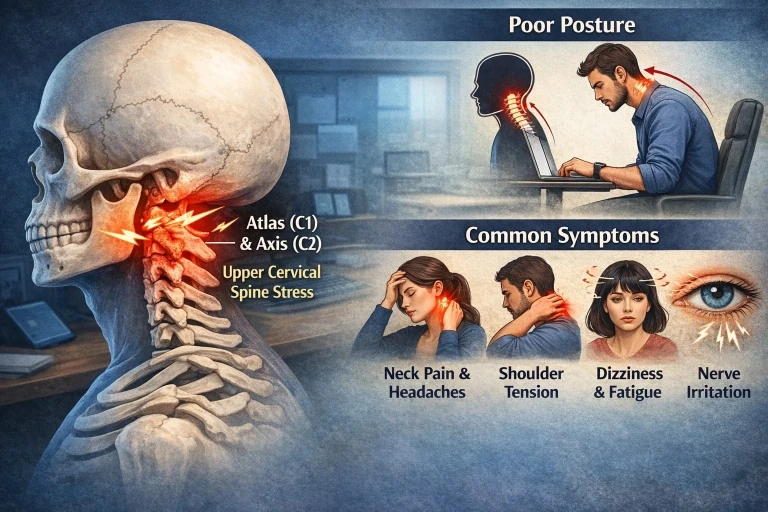
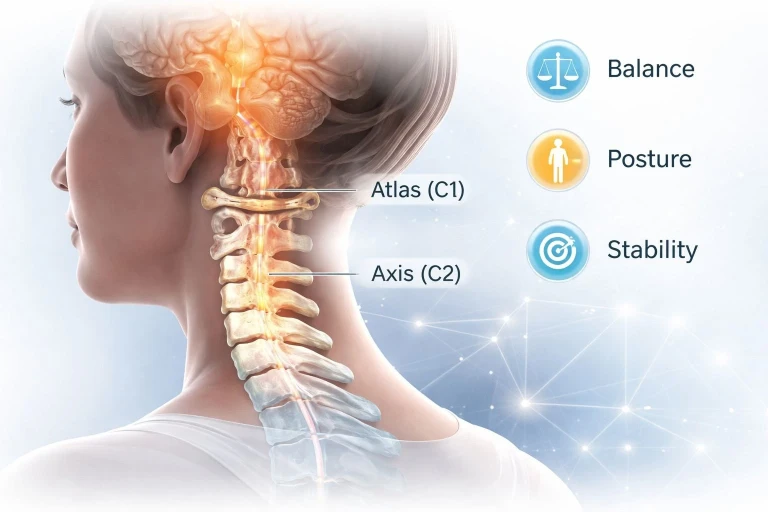
Upper cervical stress refers to strain, tension, and mechanical overload affecting the uppermost part of the neck. This region includes the atlas and axis, the first two vertebrae that support the skull and allow a wide range of head movement. Because the head sits directly on this area, even small postural changes can increase the load placed on these structures.
In a screen-driven world, one of the most common postural changes is forward head posture. This happens when the head gradually shifts in front of the shoulders rather than remaining balanced over them. It often develops during laptop work, smartphone scrolling, tablet use, gaming, or even reading from a poorly positioned monitor.
The farther the head moves forward, the harder the neck muscles and supporting structures must work. Over time, this can create persistent stress in the upper cervical region, leading to both local discomfort and wider biomechanical compensation throughout the spine and shoulders.
Why Screens Place So Much Stress on the Neck
Human posture was not designed for constant downward viewing. Yet many people spend several hours each day with their chin tilted down, shoulders rounded, and upper back slumped. These positions may feel harmless in the moment, but repetition matters.
When someone looks down at a phone or leans toward a screen, the head no longer rests in an efficient neutral position. Instead, the muscles of the neck and upper back must hold it up against gravity. This prolonged effort often leads to tight muscles, irritated joints, restricted motion, and fatigue.
Common screen-related habits that contribute to upper cervical stress include:
- Looking down at a phone for long periods
- Working on a laptop without proper screen height
- Sitting without back support
- Leaning forward during video calls
- Holding tension in the jaw, neck, and shoulders during focused work
- Spending long periods seated without movement breaks
These habits are common in office workers, students, remote professionals, healthcare staff managing digital charting, and anyone who spends much of the day on digital devices.
Symptoms of Upper Cervical Stress
Upper cervical stress does not always present as dramatic pain. In many cases, it starts subtly and builds over time. People often normalize the symptoms because they seem like a routine part of work or daily life.
Common symptoms may include:
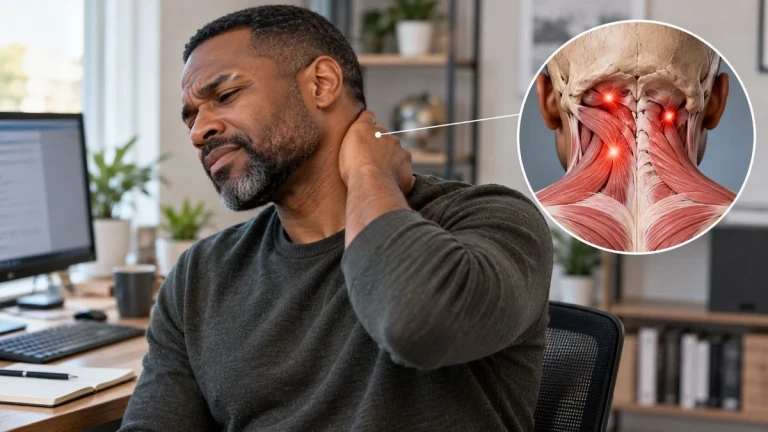
- Neck tightness or soreness
- Tension headaches
- Pain at the base of the skull
- Stiffness when turning the head
- Shoulder and upper back tension
- Jaw tightness
- Eye strain-related tension
- Occasional dizziness or a sense of imbalance
- Fatigue after computer work
- Tingling or discomfort that increases with prolonged sitting
Because the upper cervical spine is closely connected to head posture, muscle coordination, and nervous system function, stress in this area can influence how the entire body feels and performs.
The Link Between Posture and Neurological Function
The upper cervical region does more than support movement. It is also closely associated with the body’s ability to coordinate position, balance, and spatial awareness. Muscles and joints in the neck send constant information to the brain about head position. When the area is under chronic stress, that feedback can become less efficient.
This is one reason some people with persistent upper cervical tension report not only pain, but also difficulty concentrating, headaches, or a sense of physical fatigue. While many factors can contribute to these symptoms, poor neck posture and sustained upper cervical strain are often overlooked parts of the picture.
This does not mean every symptom starts in the neck. It means the neck is an important contributor that deserves attention, especially when symptoms worsen with screen use or prolonged desk work.
How Screen Time Changes Whole-Body Mechanics
Upper cervical stress is rarely isolated. Once the head moves forward, the rest of the body starts to compensate. The upper back may round, the shoulders may rotate inward, and the lower spine may lose proper support. This chain reaction changes the way muscles work from head to pelvis.
Over time, these changes can influence:
- Breathing mechanics
- Shoulder mobility
- Mid-back movement
- Jaw tension
- Exercise form
- Walking posture
- General energy levels during the day
In other words, upper cervical stress is not just a neck issue. It can become a whole-body issue when postural habits remain unchanged.
Who Is Most at Risk?
Almost anyone who uses screens regularly can develop upper cervical stress, but some groups are especially vulnerable. These include:
- Remote workers
- Students
- Office professionals
- Gamers
- Healthcare providers completing digital documentation
- Drivers using navigation devices often
- People who use phones heavily for business or social media
Risk increases when long periods of screen time are combined with poor workstation setup, low physical activity, stress, or lack of posture awareness.
What Can Help Reduce Upper Cervical Stress?

The good news is that upper cervical stress often improves when the contributing habits are addressed early. Small changes repeated consistently can make a meaningful difference.
Helpful strategies include improving screen height so the eyes look forward instead of down, using a supportive chair, keeping the shoulders relaxed, and taking regular movement breaks throughout the day. It also helps to alternate between sitting and standing when possible.
Mobility and strengthening exercises can also support better posture. Gentle stretching for the chest, shoulders, and upper neck may reduce tension, while strengthening the deep neck stabilizers, upper back muscles, and postural support system can improve endurance.
For some people, professional evaluation is valuable, especially when symptoms persist. A chiropractor, physical therapist, or other qualified musculoskeletal provider can assess posture, movement patterns, joint function, and muscle imbalance to identify why the stress keeps returning.
Why Early Attention Matters
Many people wait until the discomfort becomes constant before doing anything about it. That delay often allows minor strain to become a more established problem. Addressing upper cervical stress early may help reduce the likelihood of chronic tension patterns, repeated headaches, and ongoing postural breakdown.
In a culture where screen use is unlikely to decrease, prevention and awareness matter more than ever. The goal is not to avoid technology. The goal is to use it without allowing it to gradually reshape posture and overload the neck.
Final Thoughts
Upper cervical stress in a screen-driven world is becoming increasingly common, yet many people still dismiss it as normal. Persistent neck tension, headaches, stiffness, and postural fatigue are not simply inevitable side effects of modern life. They are often signs that the body is adapting poorly to repetitive daily strain.
The upper cervical spine is small, but its influence is significant. When this region is placed under constant stress from forward head posture and prolonged screen use, the effects can ripple throughout the entire body. Recognizing the problem early, improving daily habits, and seeking the right support can help restore comfort, posture, and function.
For people spending hours each day on phones, laptops, and digital devices, this issue deserves attention. Better screen habits, better posture, and better spinal support can make a meaningful difference in how the body feels both at work and beyond it.



Leave a comment