

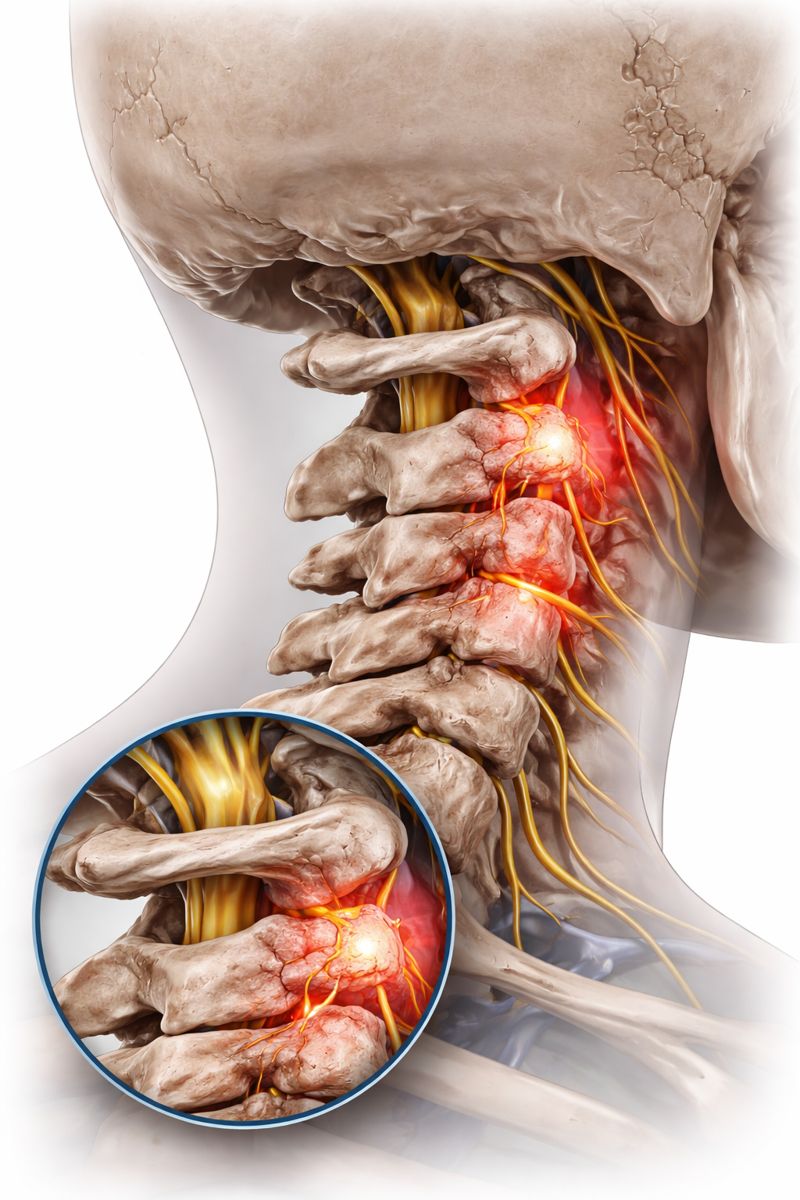
Neck instability after whiplash is a common but often misunderstood condition. Many people associate whiplash only with short-term neck pain after a car accident. In reality, whiplash can lead to long-lasting changes in the stability of the cervical spine, especially when symptoms persist for months or years.
This article explains what neck instability is, how whiplash causes it, common symptoms, diagnostic challenges, and why the upper cervical spine plays a key role in recovery.
By downloading the Digital Patient Chart mobile app you can better control your patient portal.


What Is Whiplash?
Whiplash is a rapid acceleration–deceleration injury of the neck. It commonly occurs during rear-end or side-impact motor vehicle collisions, but it can also happen during sports injuries or falls.
During whiplash:
- The head moves backward and forward faster than the neck muscles can control
- Ligaments, discs, joints, and small stabilizing muscles are exposed to excessive force
- Micro-damage may occur even when X-rays appear normal
Research shows that symptoms can develop hours or days after the injury, not immediately.
What Is Neck Instability?
Neck (cervical) instability occurs when the ligaments and joint structures that stabilize the vertebrae are no longer able to maintain proper alignment during movement.
Related article

Upper Cervical Chiropractic Near Me: A Comprehensive Guide to Natural Healing
Oct 27, 2025After whiplash, instability may develop due to:
- Ligament stretching or tearing
- Joint capsule damage
- Loss of neuromuscular control
- Altered proprioception (the body’s sense of position)
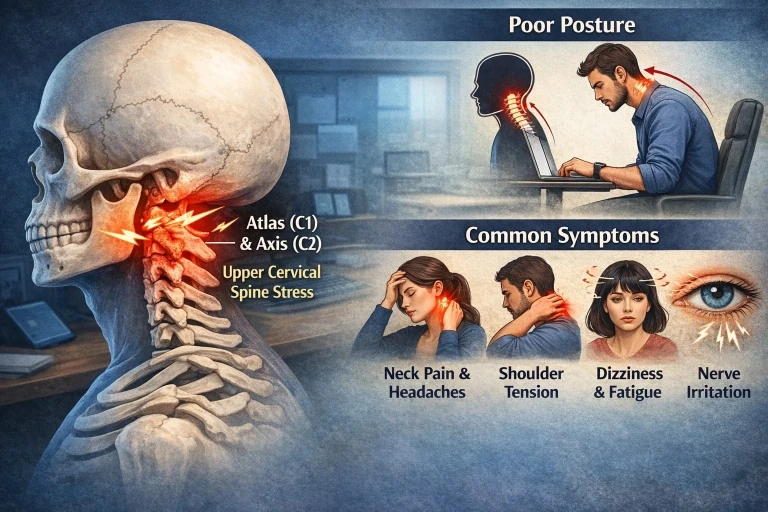
This instability is most common in the upper cervical spine, particularly at the C1 (atlas) and C2 (axis) levels.
Symptoms of Neck Instability After Whiplash
Symptoms vary widely and may not always feel “neck-related.”
Common complaints include:
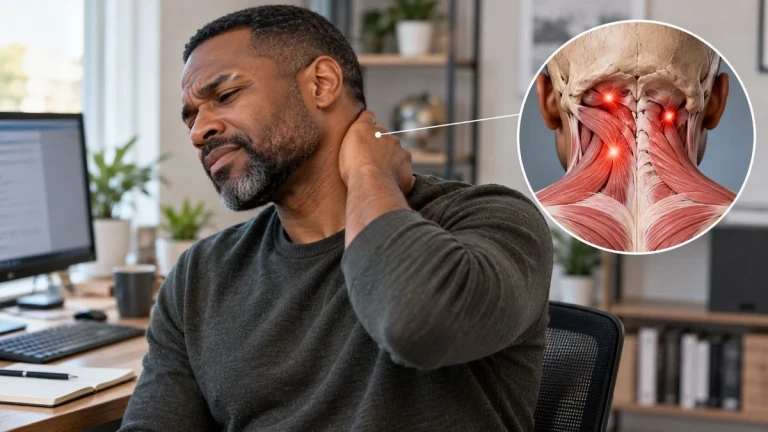
- Persistent neck pain or stiffness
- Headaches, especially at the base of the skull
- Dizziness or balance problems
- Visual disturbances or light sensitivity
- Brain fog or difficulty concentrating
- Jaw pain or facial tension
- Shoulder or upper back tightness
Symptoms often worsen with:
- Prolonged sitting
- Looking down at phones or screens
- Sudden head movements
- Stress or fatigue
Why Neck Instability Is Often Missed
Standard imaging, such as X-rays or MRIs, is usually performed with the neck in a neutral position. However, instability is a dynamic problem, meaning it appears during movement, not always at rest.
Several studies note that:
Ligament damage may not be visible on routine scans
Symptoms can persist despite “normal” imaging
Patients are often told the injury is healed when instability remains
This leads many people into a cycle of chronic symptoms without clear answers.
Research on Whiplash and Cervical Instability
Scientific literature supports the link between whiplash and long-term cervical dysfunction:
- A study published in Spine found that whiplash injuries frequently involve ligament damage that alters cervical biomechanics.
- Research in The Journal of Orthopaedic & Sports
- Physical Therapy reported persistent sensorimotor dysfunction in chronic whiplash patients.
Studies using flexion-extension imaging show abnormal movement patterns in patients with unresolved whiplash symptoms.
These findings suggest that structural and neurological factors, not just muscle strain, contribute to chronic symptoms.
How Upper Cervical Care May Help
Upper cervical care focuses on the top two vertebrae (C1 and C2), which play a major role in head–neck stability and nervous system function.
This approach emphasizes:
- Precise assessment of alignment
- Gentle, low-force corrections
- Reducing abnormal joint motion
- Supporting ligament healing over time
By addressing instability at its source, care aims to improve communication between the brain and body while reducing mechanical stress on sensitive tissues.
When to Consider Visiting an Upper Cervical Practice
Consider scheduling an evaluation if:
- Symptoms persist for months or years after whiplash
- Imaging has not explained the ongoing issues
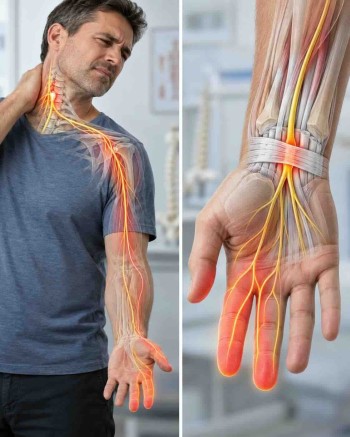
- Neck pain is accompanied by headaches, dizziness, or neurological symptoms
Traditional approaches have focused only on short-term relief
An upper cervical practice evaluates whether structural instability is contributing to symptoms and whether a targeted approach is appropriate.
Schedule an appointment today
Contact our office if you have questions


Leave a comment