

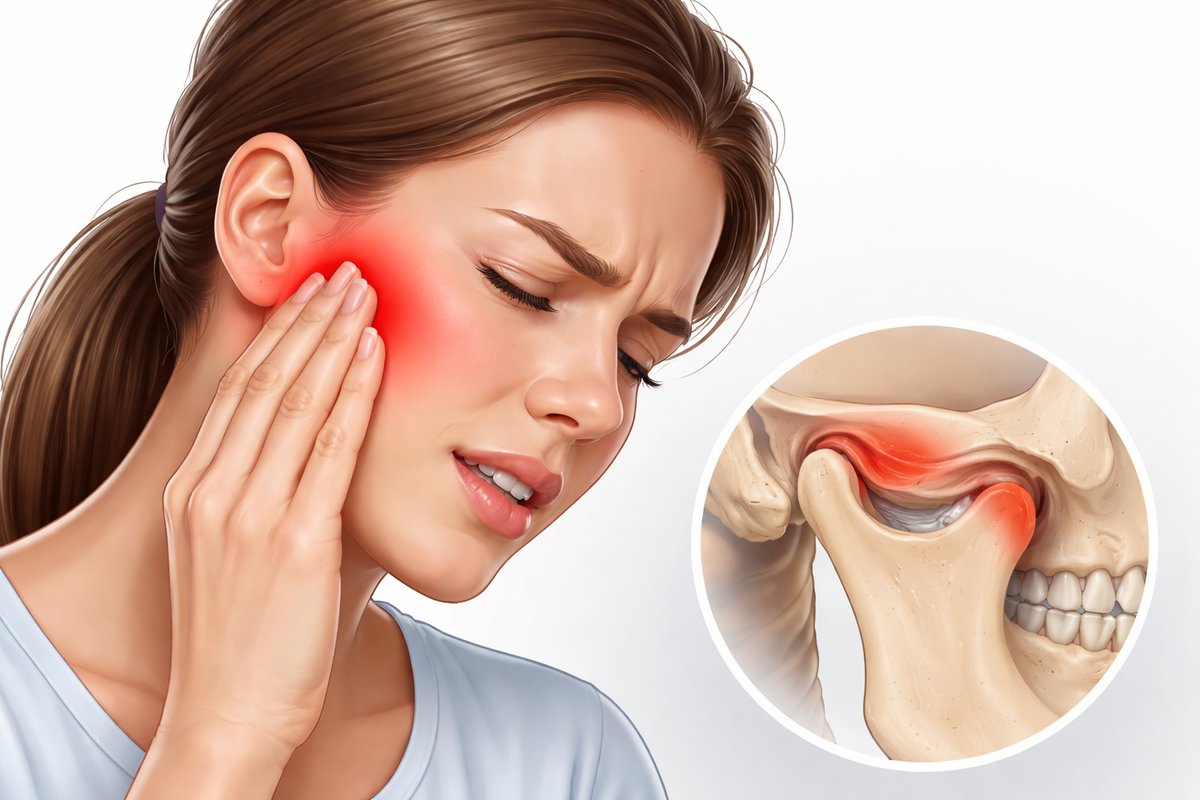
Jaw tightness. A sensation of pressure or fullness in the ear. Clicking when chewing. Intermittent headaches that seem to start near the base of the skull.
Many people experience these symptoms together without realizing they may share a common mechanical link: the upper cervical spine.
By downloading the Digital Patient Chart mobile app you can better control your patient portal.


This article explains how jaw tension and ear fullness can relate to the alignment and function of the upper neck, and how upper cervical chiropractic care approaches these concerns from a structural and neurological perspective.
Understanding Jaw Tension and TMJ Dysfunction
Jaw tension often involves the temporomandibular joint (TMJ), the hinge that connects the lower jaw (mandible) to the skull. This joint works continuously throughout the day during chewing, speaking, swallowing, and even breathing.
When the TMJ becomes irritated or mechanically stressed, symptoms may include:
- Jaw tightness or fatigue
- Clicking or popping sounds
- Limited mouth opening
- Facial discomfort
- Headaches near the temples
- Ear fullness or pressure
The proximity of the TMJ to the ear canal explains why dysfunction in the jaw can create ear-related symptoms. However, the jaw does not operate in isolation. It is structurally dependent on the position and stability of the skull — and the skull rests directly on the upper cervical spine.
What Is Ear Fullness?
Ear fullness is often described as a blocked or pressurized sensation in one or both ears, even when no infection or fluid is present. Patients sometimes report:
- A clogged feeling
- Pressure changes with head movement
- Mild dizziness
- Tinnitus (ringing)
- Sensitivity to sound
When ENT evaluations reveal no clear pathology, attention often turns to musculoskeletal causes. One of the most overlooked contributors is dysfunction in the upper cervical region.
The Anatomy of the Upper Cervical Spine
The upper cervical spine consists of the first two vertebrae:
- The atlas (C1)
- The axis (C2)
Related article

Upper Cervical Chiropractic for Migraine Relief: What Patients Should Know
Oct 13, 2025These structures are unique. The atlas supports the skull, and the axis allows rotation of the head. Together, they protect the lower brainstem and influence cranial nerve function.
The brainstem sits just above this region and acts as a communication hub between the brain and the body. Cranial nerves that influence jaw muscles, facial sensation, and certain aspects of ear function pass through or originate near this area.
Even small misalignments or mechanical dysfunction in the upper cervical spine can alter:
- Muscle tone
- Joint mechanics
- Nerve signaling
- Head and jaw positioning
This is where the relationship becomes clinically relevant.
How Upper Cervical Dysfunction May Influence Jaw Tension
The skull, jaw, and upper neck function as a coordinated system. If the atlas shifts slightly from its optimal alignment, the skull can subtly tilt or rotate. Because the jaw attaches directly to the skull, this altered positioning can change how the TMJ tracks during movement.
Over time, this may lead to:
- Uneven loading of the TMJ
- Chronic muscle guarding
- Increased clenching
- Asymmetrical bite forces
Additionally, the trigeminal nerve, responsible for sensation in the face and motor control of chewing muscles, interacts with brainstem structures near the upper cervical spine. Irritation or altered signaling in this region may contribute to persistent jaw tension.
Why Ear Fullness Can Occur Alongside Jaw Symptoms
The ear and jaw share both anatomical proximity and neurological connections. Muscles that influence jaw movement also affect structures around the Eustachian tube, which helps regulate pressure in the middle ear.
When upper cervical dysfunction alters head posture or increases muscular tension, it may contribute to:
- Abnormal Eustachian tube mechanics
- Increased muscular tension near the ear
- Changes in pressure regulation
- Referred sensations from nearby nerve pathways
This does not imply that every case of ear fullness is spinal in origin. However, in patients with concurrent jaw tension and upper neck discomfort, the structural relationship should be evaluated.

Posture, Forward Head Position, and Mechanical Stress
Modern posture patterns often involve forward head positioning, especially in individuals who spend prolonged time on computers or mobile devices.
Forward head posture increases stress on:
- Suboccipital muscles
- Upper cervical joints
- Jaw mechanics
- Cervical discs
As the head shifts forward, compensatory tension develops at the base of the skull. This tension can influence the alignment of the atlas and axis, further impacting jaw position and potentially contributing to ear pressure sensations.
Over time, this pattern reinforces chronic muscle contraction and reduced joint mobility.
What Is Upper Cervical Chiropractic?
Upper cervical chiropractic focuses specifically on the alignment and function of the atlas and axis. Techniques such as Blair, Knee Chest, and other upper cervical methods emphasize precision and minimal force.
Unlike general spinal adjustments, upper cervical care involves:
- Detailed imaging analysis
- Precise measurements of head and neck alignment
- Gentle, targeted corrections
- Ongoing monitoring of structural stability
The objective is not to treat the jaw or ear directly, but to restore optimal positioning of the upper cervical spine so that the nervous system and surrounding structures can function with less interference.
How Upper Cervical Care May Help
When upper cervical misalignment is contributing to jaw tension or ear fullness, correction may:
- Reduce abnormal muscle guarding
- Improve joint symmetry
- Decrease stress on the TMJ
- Enhance neurological communication
- Support better posture
Some patients report improvements in:

- Jaw mobility
- Headache frequency
- Sensations of ear pressure
- Neck stiffness
Results vary depending on the underlying cause and duration of symptoms. A comprehensive evaluation is essential to determine whether upper cervical dysfunction is a contributing factor.
When to Consider an Upper Cervical Evaluation
Individuals experiencing the following may benefit from assessment:
- Chronic jaw tension without clear dental pathology
- Ear fullness with normal ENT findings
- Persistent headaches at the base of the skull
- History of head or neck trauma
- Asymmetrical posture
- Clicking jaw with neck discomfort
Upper cervical chiropractic does not replace medical evaluation for infection, structural ear disorders, or acute neurological conditions. Instead, it offers a structural and neurological perspective when conventional testing does not provide answers.
A Structural Perspective on Complex Symptoms
Jaw tension and ear fullness are often treated separately. One may involve a dentist. The other may involve an ENT specialist. However, the body operates as an integrated system.
The upper cervical spine forms the mechanical and neurological bridge between the brain and the rest of the body. When this region is compromised, seemingly unrelated symptoms can overlap.
Understanding the connection between:
- Skull alignment
- Jaw mechanics
- Brainstem function
- Muscle tone
- Postural stress
Final Thoughts
Jaw tightness and ear fullness can be frustrating, especially when imaging and medical evaluations appear normal. In certain cases, the missing link may lie in the upper cervical spine.
Upper cervical chiropractic focuses on restoring alignment at the top of the neck, which can influence jaw mechanics, muscle tension, and neurological communication.
While not every case originates from this region, recognizing the structural relationship between the jaw, ear, and upper cervical spine provides a broader framework for understanding persistent symptoms and exploring appropriate care options.
Schedule a Comprehensive Consultation
Residents of Carson and the surrounding communities now have access to focused, precision-based upper cervical chiropractic care close to home.

Leave a comment