

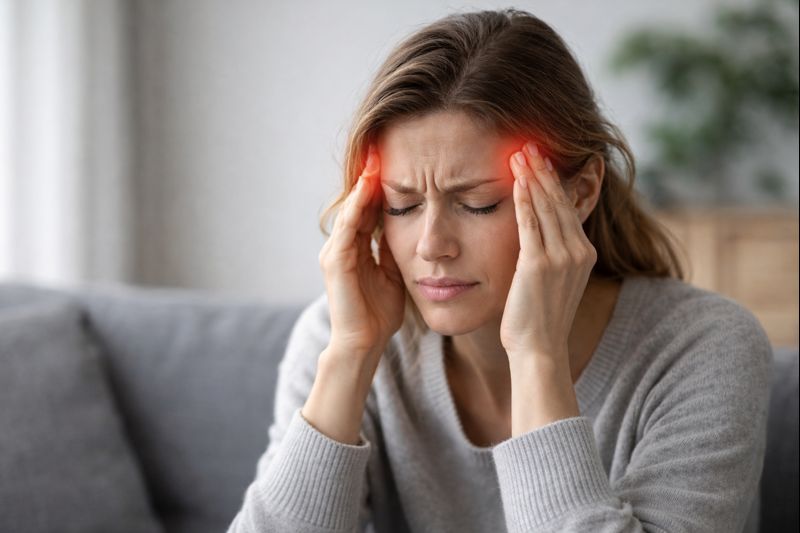
Migraines are a neurological condition affecting 39 million Americans, not just severe headaches. They involve throbbing pain, nausea, light sensitivity, and can be completely disabling. While medications help many people, they don't work for everyone and often have side effects. Upper cervical chiropractic care offers a drug-free alternative by correcting misalignments in the atlas and axis vertebrae that can trigger or worsen migraines. Research shows spinal manipulation can reduce migraine days, pain intensity, and disability, with some patients experiencing 90% or greater reduction in attacks.
Key Facts
By downloading the Digital Patient Chart mobile app you can better control your patient portal.


Prevalence: 39 million Americans; 1 billion worldwide; 12% of US adults (17% women, 6% men)
Impact: 3rd most common illness globally; ranked among most disabling conditions by WHO
Economic Burden: 157 million workdays lost annually; 4 million ER visits for headache yearly
Treatment Success: Meta-analysis shows spinal manipulation reduces migraine days with small-to-moderate effect size
Medical Disclaimer: This content is for informational purposes only and does not constitute medical advice. Migraines can sometimes signal serious conditions. Always consult with a qualified healthcare provider for proper diagnosis and treatment, especially if you experience new, severe, or changing headache patterns.
What Is a Migraine?
A migraine is far more than a bad headache, it's a complex neurological condition that affects the brain, nerves, and blood vessels. The World Health Organization ranks migraines among the most disabling illnesses, comparable to dementia, quadriplegia, and active psychosis in terms of impact on daily function.
Migraines typically cause intense, throbbing pain, usually on one side of the head, accompanied by symptoms like nausea, vomiting, and extreme sensitivity to light, sound, and sometimes smell. An attack can last anywhere from 4 hours to 3 days, leaving sufferers unable to work, care for their families, or participate in normal activities.
Approximately 12% of the US population experiences migraines, with women affected three times more often than men (17% vs. 6%). The condition is most common between ages 18-44 and peaks in midlife, though it can occur at any age.
Types of Migraines
- Migraine without aura: The most common type (70-80% of cases). Throbbing head pain with nausea and light/sound sensitivity.
- Migraine with aura: Preceded by visual disturbances (flashing lights, blind spots, zigzag lines) or other neurological symptoms 20-60 minutes before the headache.
- Chronic migraine: Headaches on 15+ days per month for more than 3 months, with at least 8 having migraine features. Affects about 1% of the population.
- Episodic migraine: Fewer than 15 headache days per month. Most migraineurs fall into this category.
- Vestibular migraine: Migraine accompanied by vertigo or dizziness—a connection to the upper cervical spine.
What Causes Migraines?
Scientists don't fully understand what causes migraines, but they know it involves complex interactions between genes, brain chemistry, nerve pathways, and blood vessels. Migraines tend to run in families, if one parent has migraines, there's a 50% chance their child will too.
The Upper Cervical Connection
Research increasingly points to the upper cervical spine as a significant factor in migraine development. Here's why the atlas (C1) and axis (C2) vertebrae matter:
- Brainstem proximity: The brainstem, which processes pain signals and controls many automatic functions, sits just above the atlas. Misalignment can affect brainstem function.
- Blood flow: Vertebral arteries pass through the cervical spine to supply blood to pain-processing areas of the brain. Misalignment can affect blood flow and intracranial pressure.
- Nerve interference: The upper cervical region has dense nerve connections to the head, face, and brain. Subluxations can irritate these pathways.
- Trigeminocervical complex: The trigeminal nerve (involved in migraine pain) converges with upper cervical nerves—creating a direct pathway between neck problems and head pain.
Common Migraine Triggers
While upper cervical issues may be an underlying cause, various factors can trigger individual attacks:
- Hormonal changes: Menstruation, pregnancy, menopause—fluctuating estrogen is a major trigger for women
- Stress: Both during and after stressful periods ("let-down" migraines)
- Sleep disturbances: Too much, too little, or irregular sleep patterns
- Food and drink: Alcohol (especially red wine), aged cheeses, processed foods, caffeine withdrawal, skipping meals
- Sensory stimuli: Bright lights, loud sounds, strong smells
- Weather changes: Barometric pressure shifts, storms, extreme temperatures
- Neck problems: Poor posture, sleeping positions, or injuries affecting the cervical spine
Signs and Symptoms
Migraines typically progress through four phases, though not everyone experiences all of them.
The Four Phases of Migraine

1. Prodrome (hours to days before):
Mood changes, food cravings, neck stiffness, increased thirst, frequent yawning
2. Aura (20-60 minutes before or during):
- Visual disturbances: flashing lights, blind spots, zigzag lines
- Sensory changes: tingling in face or hands
- Speech difficulty, weakness (less common)
3. Headache/Attack (4-72 hours):
- Intense, throbbing pain—usually one-sided but can be bilateral
- Nausea and/or vomiting
- Extreme sensitivity to light (photophobia) and sound (phonophobia)
- Pain worsened by physical activity
4. Postdrome ("migraine hangover"):
Fatigue, confusion, moodiness for up to a day after the headache resolves
SEEK IMMEDIATE MEDICAL ATTENTION IF YOU EXPERIENCE:
- "Thunderclap" headache—sudden, severe pain reaching maximum intensity within seconds
- Headache with fever, stiff neck, confusion, seizures, or rash
- Headache after head injury
- "Worst headache of your life" or significantly different from usual migraines
- Headache with weakness, numbness, vision loss, or difficulty speaking—Call 911
Treatment Options
Migraine treatment typically involves both acute care (stopping an attack) and preventive strategies (reducing frequency and severity). Many people find that combining approaches works best.
For migraineurs with upper cervical involvement, upper cervical chiropractic care offers a drug-free option that addresses potential root causes rather than just masking symptoms.
How It Works
Restores proper alignment: Precise corrections to the atlas and axis reduce nerve interference and improve communication between brain and body
Improves blood flow: Proper alignment optimizes blood flow through vertebral arteries to migraine-relevant brain areas
Reduces intracranial pressure: Research shows atlas correction can decrease brain fluid pressure, potentially relevant to migraine
Calms the nervous system: Correcting subluxations can reduce overall nervous system irritation
Research Evidence
Multiple studies support upper cervical care for migraines:
- A systematic review and meta-analysis found spinal manipulation reduced migraine days with a statistically significant effect
- Nearly 25% of migraine patients in one study reported greater than 90% reduction in attacks following spinal manipulation
- Research showed migraine pain decreased from 5.73/10 to 1.26/10 following upper cervical correction
- Studies show improvement in secondary outcomes including pain intensity and headache-related disability
- A large majority of patients (24 out of 26) in one study showed significant reduction in severity and frequency using toggle recoil technique
Integrative Approaches
Many migraine specialists now advocate for integrated care combining multiple approaches. A case series from a tertiary care hospital found that adding chiropractic care to standard neurological treatment improved outcomes, particularly for patients with neck pain alongside their migraines.
Lifestyle and Prevention
Beyond professional treatment, lifestyle modifications can significantly reduce migraine frequency and severity.

Identify and Avoid Triggers
- Keep a migraine diary to identify your personal triggers
- Common culprits: certain foods, alcohol, caffeine, stress, sleep changes, weather
- Remember that triggers often stack, one trigger alone may not cause an attack, but multiple together will
Sleep Hygiene
- Maintain consistent sleep and wake times, even on weekends
- Aim for 7-8 hours of quality sleep
- Use a supportive pillow that keeps your neck neutral
Stress Management
- Regular exercise (but ease into it, sudden exertion can trigger attacks)
- Meditation, yoga, deep breathing, or biofeedback
- Build relaxation into your daily routine
Diet and Hydration
- Don't skip meals, low blood sugar can trigger migraines
- Stay well-hydrated throughout the day
- Limit alcohol and be cautious with caffeine (both withdrawal and excess can trigger)
Posture and Ergonomics
- Maintain good posture at work and while using devices
- Take regular breaks to move and stretch your neck
- Position screens at eye level to avoid neck strain
Frequently Asked Questions
1. Can chiropractic care really help with migraines?
Yes, particularly for migraines that have a cervical (neck) component. A systematic review and meta-analysis found that spinal manipulation reduced migraine days with a statistically significant effect. Individual studies have shown even more dramatic results, with some patients experiencing 90% or greater reduction in attacks. Upper cervical care specifically targets the atlas and axis, which have direct neurological connections to migraine-relevant structures.
2. How is upper cervical chiropractic different from regular chiropractic for migraines?
Upper cervical chiropractic focuses exclusively on the top two vertebrae using precision imaging and very gentle adjustments—no twisting or cracking. This area is particularly relevant to migraines because of its proximity to the brainstem, vertebral arteries, and trigeminal nerve pathways. Regular chiropractic may address the whole spine with different techniques.
3. How quickly can I expect results?
Results vary by individual. Some patients notice improvement after their first adjustment, while others need several visits before seeing significant changes. Studies typically show meaningful improvement within 2-4 weeks of starting care. Long-term benefits often continue to accumulate as corrections hold for longer periods.
4. Can I use upper cervical care along with my migraine medications?
Absolutely. Upper cervical care can complement conventional migraine treatments. Many patients find that as their migraines improve with chiropractic care, they're able to reduce their medication use under their physician's guidance. Some integrated care programs combine chiropractic and neurological treatment for optimal results.
5. Are there migraines that upper cervical care won't help?
Upper cervical care is most effective when neck involvement is contributing to migraines. Signs that your migraines may respond well include: neck pain or stiffness with attacks, migraines that started after head/neck trauma, or migraines that are worse with certain head positions. A thorough evaluation can help determine if you're a good candidate.

Ready to Explore Drug-Free Migraine Relief?
Schedule your consultation at Upper Cervical LA in Carson, California
Discover how gentle upper cervical care may help reduce your migraine frequency and severity.
Main Conclusion
Migraines are a serious neurological condition that affects millions of Americans and can be profoundly disabling. While conventional medications help many people, they don't work for everyone and often come with side effects. The search for effective, well-tolerated alternatives has led many migraine sufferers to explore upper cervical chiropractic care.
The connection between the upper cervical spine and migraines is increasingly recognized. The atlas and axis vertebrae sit at a critical junction, near the brainstem, vertebral arteries, and key nerve pathways involved in migraine. Misalignments in this area can affect blood flow, cerebrospinal fluid dynamics, and nervous system function in ways that may trigger or perpetuate migraines.
Research supports upper cervical care as a viable option for migraine relief, with studies showing reduced migraine days, decreased pain intensity, and improved quality of life. The gentle, precise nature of upper cervical adjustments makes them appropriate even for those who are hesitant about conventional chiropractic techniques.
If you've been living with migraines, especially if you also have neck symptoms, a history of head/neck trauma, or haven't responded well to medications, an upper cervical evaluation may reveal a treatable underlying cause that's been overlooked.
Principal Insights
- Migraines affect 39 million Americans—it's a neurological condition, not just a bad headache
- The upper cervical spine (C1-C2) has direct connections to migraine-relevant brain structures
- Research shows spinal manipulation can reduce migraine days, pain, and disability
- Upper cervical care is gentle, drug-free, and can complement conventional treatments
- Neck symptoms, trauma history, or inadequate medication response may indicate cervical involvement
1. Cohen F, et al. Prevalence and burden of migraine in the United States: A systematic review. Headache. 2024;64(5):516-532.
2. Rist PM, et al. The impact of spinal manipulation on migraine pain and disability: A systematic review and meta-analysis. Headache. 2019.
3. Burch R, et al. The prevalence and impact of migraine and severe headache in the United States. Headache. 2021;61(1):60-68.
4. Migraine.com. Migraine Statistics and Facts. Updated August 2024.
5. Woodfield HC, et al. Effect of Atlas Vertebrae Realignment in Subjects with Migraine. Biomed Res Int. Pilot study.
6. Bryans R, et al. Evidence-based guidelines for chiropractic treatment of adults with headache. J Manipulative Physiol Ther.
7. Moore C, et al. Integrating chiropractic care into treatment of migraine headaches: Case series. Glob Adv Health Med. PMC6440032.
8. American Migraine Foundation. Understanding the AMPP Study. 2022.
9. Whittingham W, et al. Effect of manipulation for headaches with upper cervical joint dysfunction. J Manipulative Physiol Ther. 1994;17(6):369-375.
10. CDC/MMWR. Percentage of adults bothered by headache or migraine. QuickStats. 2023.
Last medically reviewed: January 2025
Upper Cervical LA | Carson, California | uppercervicalla.com
Leave a comment